
About
Who am I?
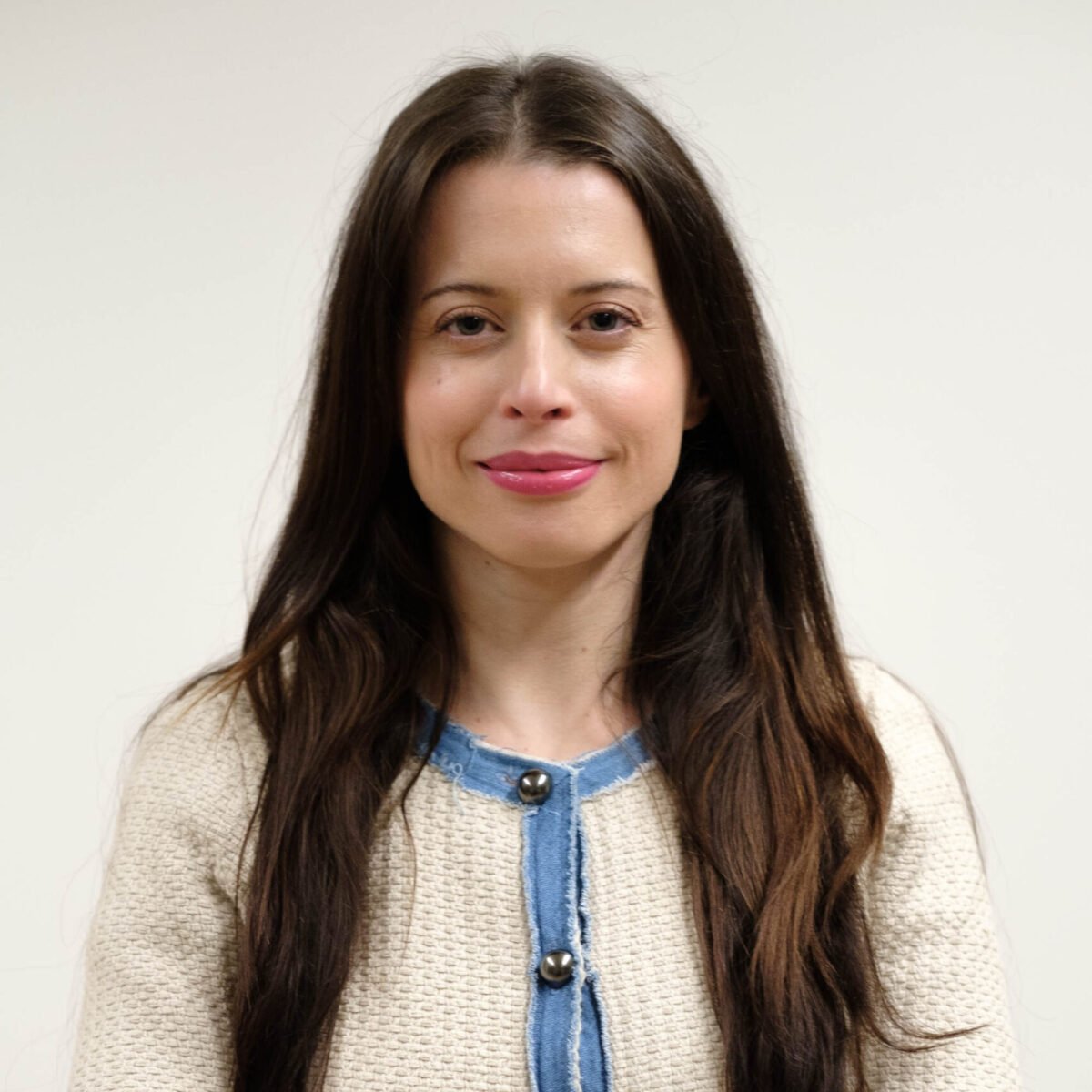
Arianna has worked for almost seven years in the field of migration and refugee protection in Italy and the UK, specialising in human trafficking, modern slavery and transnational organised crime. In recent years, she has worked as a geopolitical and intelligence analyst within a multinational corporation in the UK.
She began her career in Italy, where she completed a BA in International Relations and Human Rights at the University of Padua and an MA in Government Science and Public Policy at the University of Trieste, before taking an MA in Human Trafficking, Migration and Organised Crime at St Mary’s University in the UK.
What is Feronia?
Feronia is an intelligence hub and learning centre. The goal of Feronia is to help businesses and individuals better understand how modern slavery is a geopolitical issue with a direct impact on international security. This is a space to provide clarity and to make the case that human rights violations must be an international concern.
As a subject-matter expert, I created this platform to provide timely information, offer in-depth analysis of specific topics, and share my knowledge and expertise with anyone interested in these subjects.
Who is Feronia?
Feronia was a goddess of Italic origin, protector of woodlands, fertility and the liberation of slaves. Originally venerated by the Sabines and the Etruscans, her cult was introduced to ancient Rome in the third century BC. Slaves seeking their freedom appealed to Feronia. Although in ancient Rome a slave was not considered to possess human dignity, liberation could take place through the rite of “manumission”, the legal act by which the master (dominus) freed his slave (servus), transforming them into a free person and a citizen.
Feronia is mentioned in Virgil’s Aeneid, in both Book VII and Book VIII. She was the mother of Erulus, king of Praeneste, to whom she gave three lives and three sets of arms at birth.